Your story is your life. As human beings, we continually tell ourselves stories — of success or failure; of power or victimhood; stories that endure for an hour, or a day, or an entire lifetime. We have stories about our work, our families and relationships, our health; about what we want and what we’re capable of achieving. Yet, while our stories profoundly affect how others see us and we see ourselves, too few of us even recognize that we’re telling stories, or what they are, or that we can change them — and, in turn, transform our very destinies.
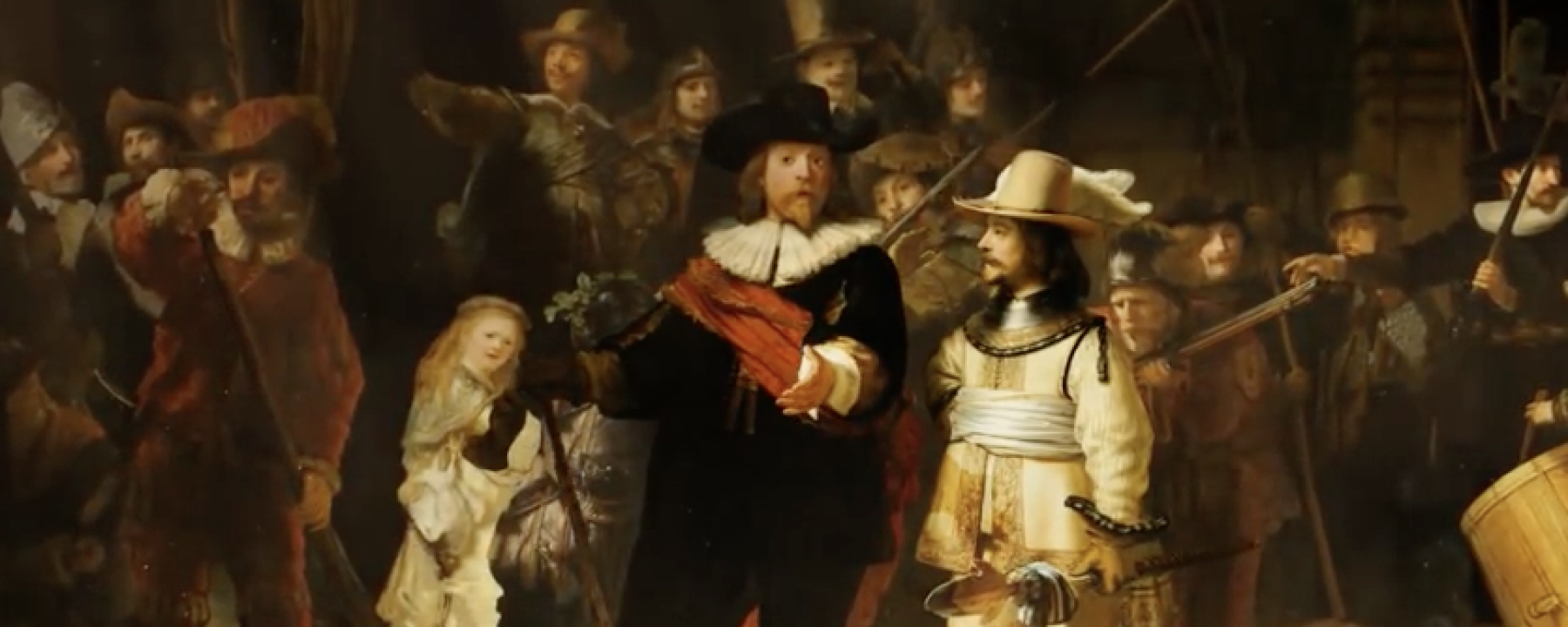
Rembrandt’s journey stands out not only for its artistic prowess but for how it reframed what a life in art could be. His path blends relentless pursuit of truth with a rare willingness to endure ambiguity, failure, and loss, all while deepening his commitment to humanity on canvas.
- Depth over bravado
Rembrandt consistently prioritized psychological truth over showmanship. Unlike contemporaries who chased fashionable spectacle, he explored the interior weather of his subjects—fear, tenderness, guilt, joy—so viewers could feel the person behind the mask. This insistence on inner reality gives his work a quiet, enduring intensity that still resonates today. - Mastery of light and shadow as moral language
His signature chiaroscuro does more than create drama; it acts as a visual argument about perception and mercy. Light in his paintings reveals what matters most—emotional truth, moral complexity, and the dignity of ordinary people. The contrast isn’t merely aesthetic; it guides the viewer toward empathy and understanding. - A transformative yet contradictory career
Rembrandt’s arc includes early success, a period of experimentation across portraiture and history painting, and later financial strain and personal tragedy. Rather than a linear rise, his journey moves through ascents and setbacks, each turning point expanding the range and depth of his art. This elasticity makes his biography feel less a trophy reel and more a lifelong inquiry. - Unflinching honesty with self-portraiture
His self-portraits form a visual autobiography, charting stages of age, doubt, and resilience with unguarded honesty. This self-scrutiny invites audiences into a shared conversation about identity, vulnerability, and growth, setting a standard for how artists can reflect on their own evolving conscience through time. - Compassionate humanity across genres
From intimate genre scenes to grand biblical narratives, Rembrandt treated every subject with reverence for human complexity. He painted beggars with the nobility of saints, and sinners with moments of grace, turning every face into a repository of memory and moral inquiry. This universal reach makes his journey relevant beyond his era or national style. - Innovation rooted in tradition
While pushing the boundaries of composition, texture, and printmaking, Rembrandt did not abandon the past. He dialogued with masters of his lineage, then translated those conversations into a distinctly personal language. The result is a synthesis that feels both timeless and contemporary. - Enduring influence as a living practice
The impact of his approach endures in how viewers are invited to look: not for surface polish but for moral nuance, not for perfection but for truth-telling through light and shade. His example encourages artists to cultivate patience, humility, and a discipline of looking that extends beyond the studio.
In sum, Rembrandt’s journey is unique because it treats art as a vocation of ethical witnesseship. He married technical mastery to a reverent attention to human vulnerability, navigating fear and fortune with a stubborn fidelity to truth. The story of his life remains a blueprint for pursuing deep seeing: one that asks questions of life, honors the dignity of every person, and offers light as a shared instrument for understanding.
Telling ourselves stories provides structure and direction as we navigate life’s challenges and opportunities, and helps us interpret our goals and skills. Stories make sense of chaos; they organize our many divergent experiences into a coherent thread; they shape our entire reality. And far too many of our stories are dysfunctional, in need of serious editing. First, we ask you to answer the question, “In which areas of my life is it clear that I cannot achieve my goals with the story I’ve got?” We then show you how to create new, reality-based stories that inspire you to action, and take you where you want to go both in your work and personal life.
For decades I have been examining the power of story to increase engagement and performance. Thousands of individuals from every walk of life have sought out and benefited from our life-altering stories.
Our capacity to tell stories is one of our profoundest gifts. My approach to creating deeply engaging stories will give you the tools to wield the power of storytelling and forever change your business and personal life.
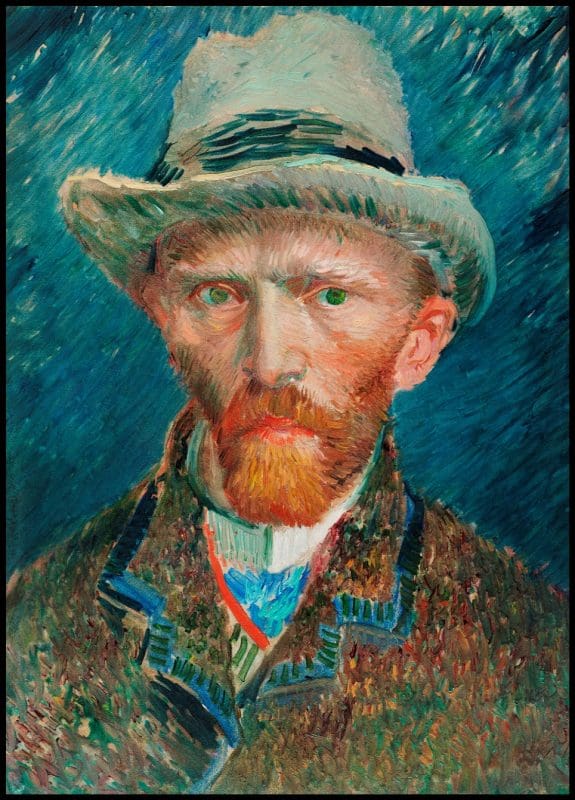
The Rijksmuseum holds a beautiful reminder that the most important artwork you will ever curate is the story you tell yourself.
Stand in front of Vincent van Gogh’s self‑portrait and you are not just looking at a famous painter; you are looking at a man rewriting his inner script in paint. He was short of money and models, so he turned to the one subject he always had with him: himself. Each time he painted his own face, he was really asking: “Who am I choosing to be now?” The facts of his life stayed hard, but the way he framed those facts changed.
Van Gogh did not paint a neutral face; he painted a story. Some days the colours feel tense and searching, on others bold and alive. The outer circumstances were still full of doubt and struggle, yet the inner sentence behind the painting shifted from “I am a failure” to “I am an explorer of colour, a pioneer of feeling.” That inner sentence is the Power of Your Story: the narrative you choose about yourself becomes the lens through which you act, create, and relate to others.
Imagine Van Gogh in his small room, deciding whether to tell himself “no one cares about my work” or “my work is a laboratory for the future.” The external world did not immediately reward him, but he lived into the second story every time he picked up the brush. In the same way, your life changes when you move from “I am an extra in other people’s stories” to “I am the protagonist of my own adventure.” The emails you send, the conversations you start, the risks you take all begin to follow that new script.
Walking through the Rijksmuseum, you see this again and again: artists who decided to treat their doubts, wounds, and longings not as reasons to stay small but as raw material for a new story. Van Gogh’s self‑portrait is a mirror for you: if your life were hanging on that wall, what story would it tell about how you see yourself today? And if there is a gap between that story and the one you truly want, you have the same creative power he had—to pick up the next “stroke,” the next sentence you tell yourself, and begin to rewrite.
Part One Old Stories
Day 1. That’s Your Story?
Day 2. The Premise of Your Story, the Purpose of Your Life
Day 3. How Faithful a Narrator Are You
Day 4. Is It Really Your Story You’re Living?
Day 5. The Private Voice
Day 6. The Three Rules of Storytelling
PART TWO
New Stories
Day 7. It is not about time
Day 8. Do You Have the Resources to Live Your Best Story?
Day 9. Indoctrinate Yourself
Day 10. Turning Story into Action: Training Mission and Rituals
Day 11. More than Mere Words; Finishing the Story, Completing the Mission
Day 12. Storyboarding the Transformation Process in Eight Steps
Introduction
I am Peter de Kuster, founder of The Hero’s Journey and The Heroine’s Journey, and for much of my life, I have believed in the transformative power of stories—especially the ones we tell ourselves. But it took a near-death experience to truly open my eyes to what I wanted to dedicate my life to: helping others discover, shape, and share their unique stories, and in doing so, to rewrite my own.
 The Hero's Journey Amsterdam